
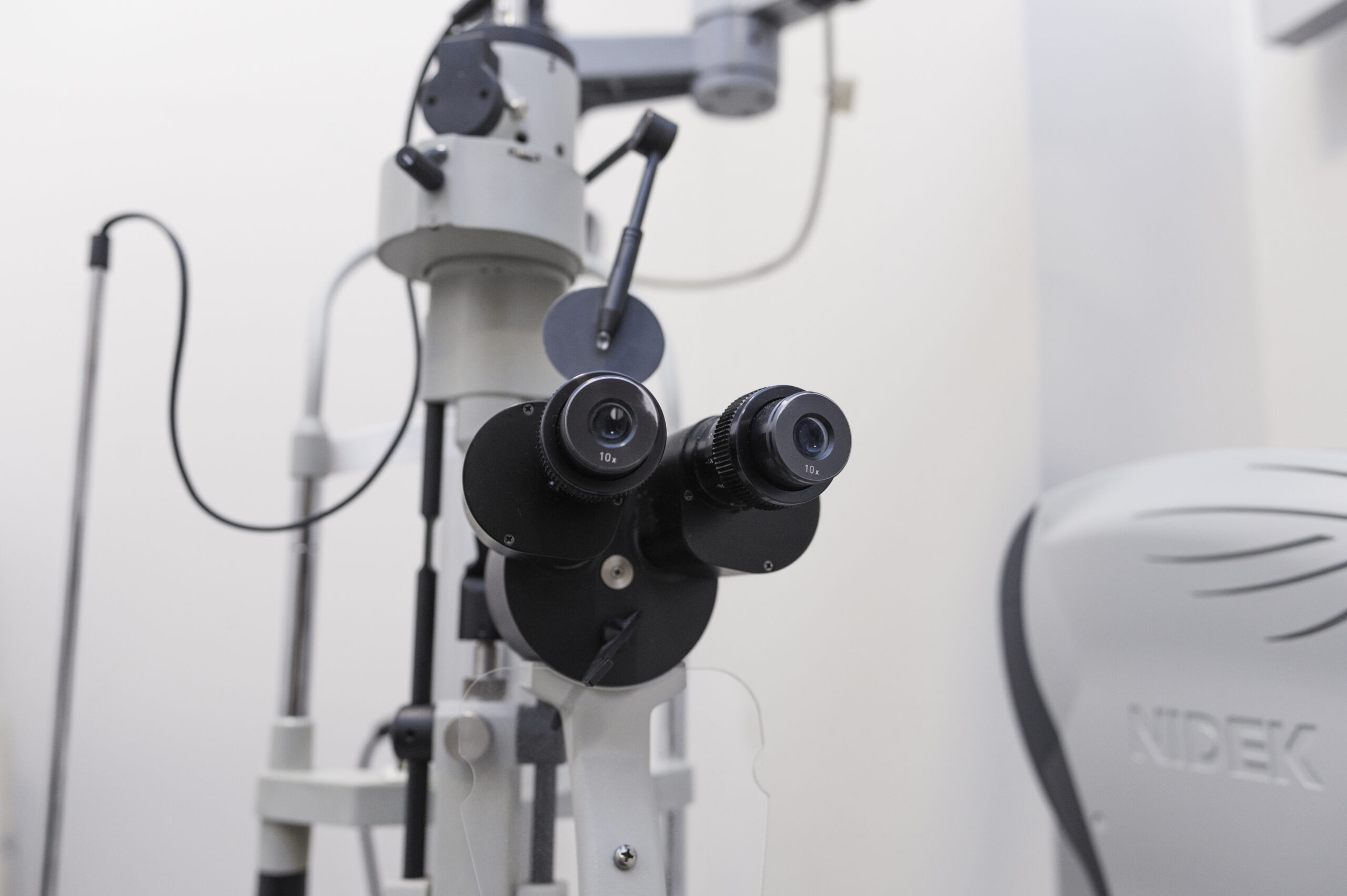
Optometrists and Ophthalmologists often use the slit lamp biomicroscope to examine patients’ eyes in detail.
Photo: Freepik
A Window Into Your Eye Health
Have you ever sat at an eye machine with your chin resting on a frame while a bright light shines into your eyes? That’s the Slit Lamp Biomicroscope — a powerful tool used by optometrists and ophthalmologists to examine your eyes in high detail.
The slit lamp uses a thin beam of light (like a “slit”) and a microscope to focus on the front and back parts of the eye. It helps detect eye diseases even before symptoms show up — making it essential for early diagnosis and lifelong eye health.
What Can a Slit Lamp Detect?
This examination helps detect various eye conditions early, even before symptoms appear. It is commonly used to check for:
- Cataracts
- Corneal infections or injuries
- Dry eyes
- Glaucoma
- Retinal diseases
- Eye inflammation (e.g., uveitis)
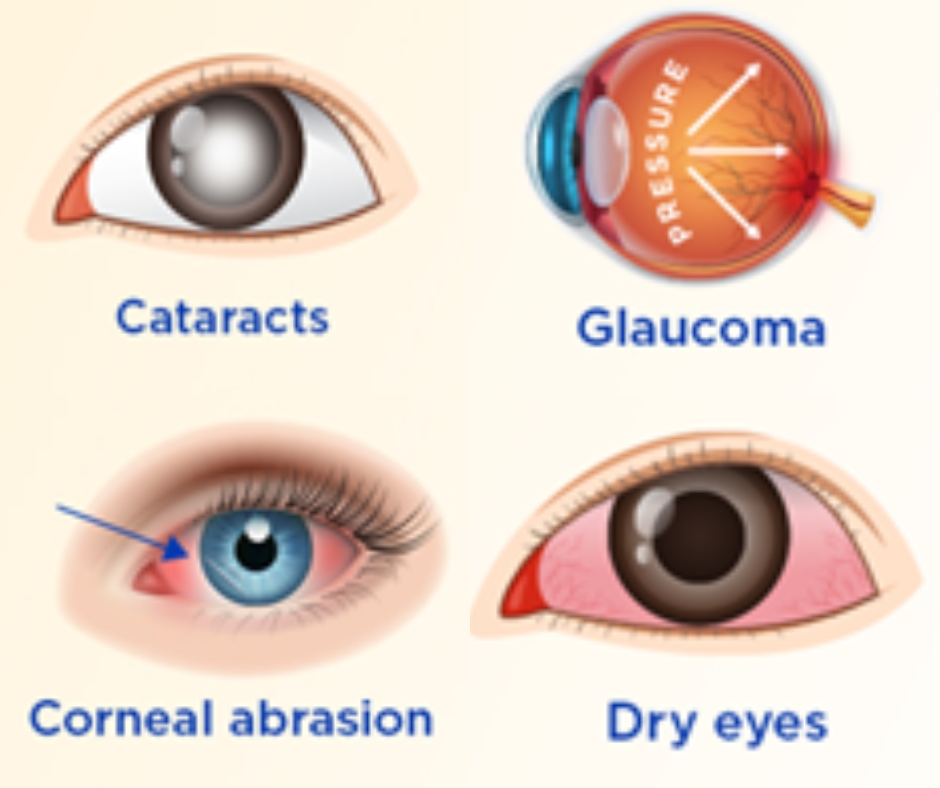
A slit lamp can detect various eye diseases, including cataract, glaucoma, corneal abrasion and dry eyes.
Photo: Thomson Hospital
How is The Test Done?
You will be asked to sit on a chair and rest your chin and forehead against the machine. The eye care provider will then shine a light into your eye while looking through the back of your eye more clearly. Only qualified ophthalmologists and optometrists are authorised to operate the slit lamp. They use it for general eye examinations, monitoring contact lens wear, and as an ophthalmologists, they rely on it for more detailed assessments, including pre- and post-surgical evaluations.
Who Should Be Doing The Test?
1. People with Vision Changes
- Blurry vision, eye strain, double vision, or floaters
- Slit lamp helps identify causes like cataracts, corneal disease, or retinal issues
2. Contact Lens Wearers
- To check for lens fit, corneal staining, dryness, or any contact lens related complications
3. Patients with Eye Symptoms
- Redness, pain, light sensitivity, tearing, or discharge
- Can detect infections, inflammation, or injuries
4. People with Systemic Diseases
- Diabetes – to monitor for diabetic retinopathy
- High blood pressure – may affect eye blood vessels
- Autoimmune disorders – can cause uveitis or dry eye
5. Elderly Individuals (Age 40+)
- At higher risk for cataracts, glaucoma, and macular degeneration
6. Individuals with a Family History of Eye Disease
- Early screening is important for prevention or monitoring
Meet Our Team
At Thomson Hospital, our Optometrists are dedicated Allied Health Professionals trained in detecting and managing a wide range of vision and eye health issues. They collaborate with Ophthalmologists to ensure you receive accurate diagnosis, timely treatment, and personalised care — from routine check-ups to post-surgery monitoring.
If you are having trouble with your eye and vision, visit our optometrists at Block C, Level 2, Thomson Hospital Kota Damansara.
Contact our Eye Health Department for more information: +603-6287 1363
