
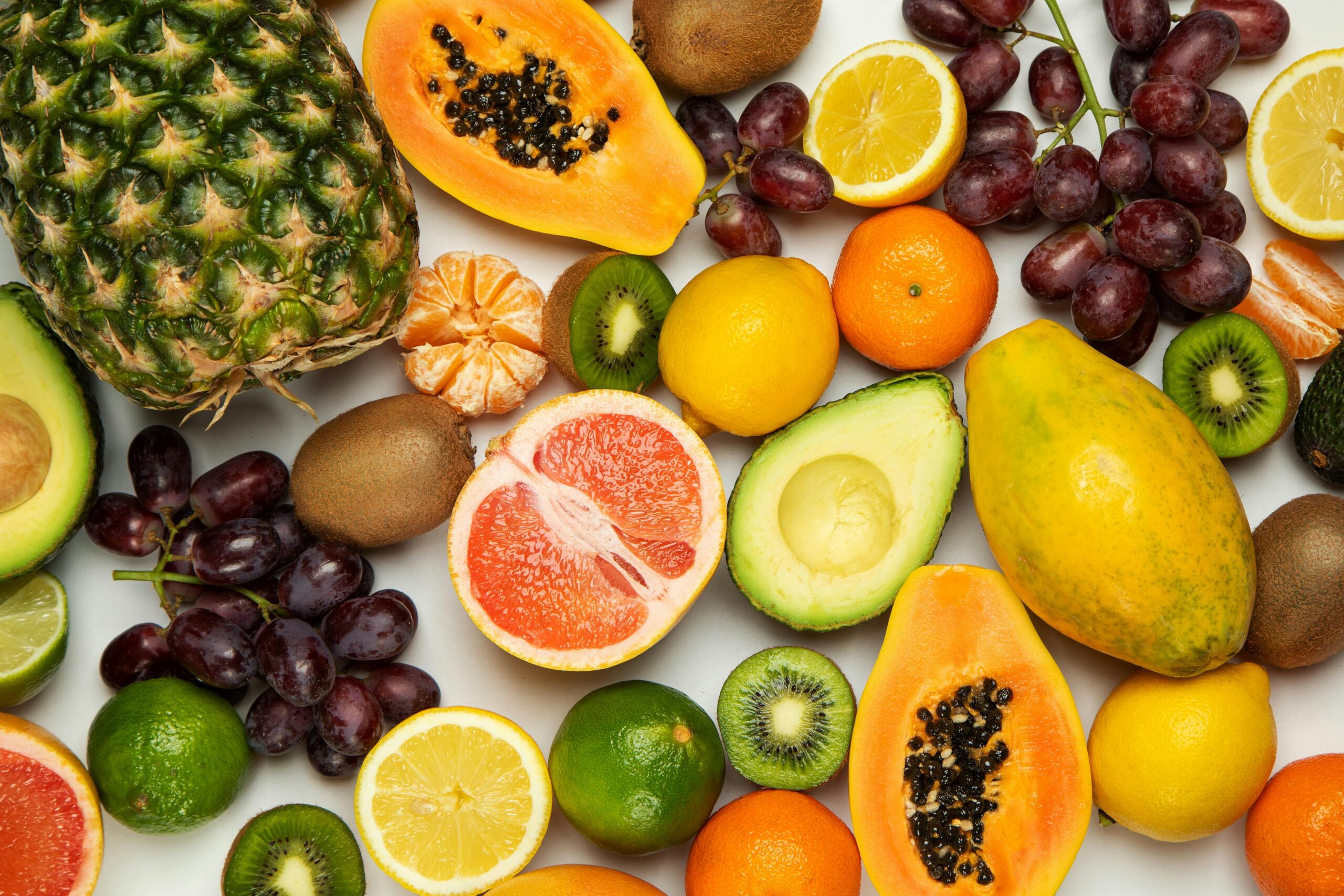
Local fruits contain a lot of vitamins that is good for your health.
Source: Pexels
Since 1st July 2025, a 5% Sales and Service Tax (SST) has been imposed on most imported fruits, including berries, kiwi and grapes. The rise in retail fruit pricing has concerned the public regarding the affordability of healthy food choices.
At Thomson Hospital, our Dietitians are ready to provide personalised diet consultation, tailored to your needs and contexts. Let’s explore local fruit options and see how Dietitians offer personalised guidance for healthy, budget-conscious eating.
Grapes VS Watermelon: Is the Concern Merely Pricing?
The fruits exempted from SST are locally grown fruits, along with imported apples, oranges, mandarin oranges and dates.
Here are some reasons as to why some imported fruits are more favoured over local fruits:
- Easy to portion and prepare: A serving of fruit looks like a banana, a kiwi, or 8 grapes.
People can simply grab, wash and eat them. No cutting needed. - Easy to store: Some fruits like banana and honeydew don’t require refrigeration to stay fresh.
On the other hand, some local fruits like watermelon and jackfruit would require more effort to cut and portion out before eating. They also need to be stored in the fridge after being portioned out. Limited fridge space then becomes another barrier for some households.
An Abundance of Local Fruit – How Do They Compare with Imported Fruits?
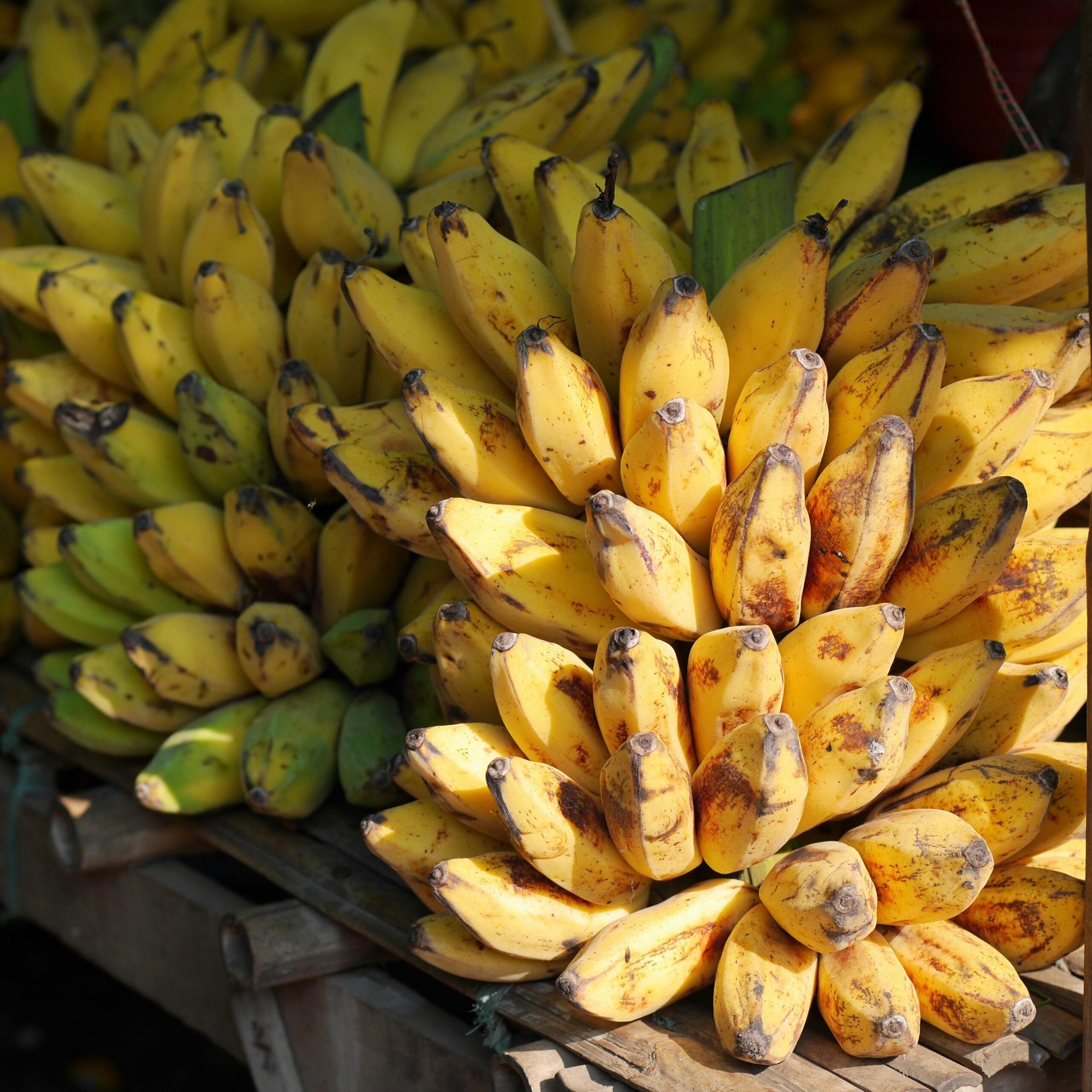
Banana is one of the tropical fruits that are easy to keep — no refrigeration needed.
Source: Pexels
In light of the rising cost of imported fruits in Malaysia, it is helpful to know that Malaysia is:
- Home to an abundant variety of tropical fruits
- Producing enough local fruits to meet our local needs
These local fruits are not only more affordable, but also rich in nutrients, fresh, and widely available all year round. The seasonal rotation offers variety and diversity to the Malaysian diet too.
Here are how some common local fruits stack up against popular imported ones:
| Imported Fruit | Common Uses | Local Alternative | Nutrition Highlights | Benefits of Switching |
| Apple | Snacking, salads | Guava | · Rich in fibre and Vitamin C (Guava has 4 times more than an orange!)
· Low Glycemic Index (GI) |
· More Vitamin C
· Supports immunity · More affordable |
| Blueberries | Desserts, cereals/oats | Jambu air (water apple), Dragon fruit | Contains:
· Antioxidants · Fibre · Hydration benefits |
· Lower cost
· Hydrating · Locally grown antioxidants |
| Kiwi | Breakfast bowls | Pineapple | · Contains bromelain enzyme, Vitamin C
· Supports digestion |
· Juicy
· Anti-inflammatory · Great in tropical recipes |
| Grapes | Snacking, fruit platters, salads | Langsat, Duku, Rambutan | · Local fruits also offer antioxidants and fibre
· Generally lower in sugar content compared to grapes |
· Seasonal
· Cheaper · Tasty tropical options |
| Orange | Juicing, vitamin C source | Papaya | · High in Vitamins A and C
· High in digestive enzymes (papain), which is good for gut health |
· Easily available
· Supports digestion · Boosts immunity |
Embracing these local options can help individuals meet their nutritional needs, while supporting local agriculture and reducing reliance on costly imports.
Here is a summary of the key benefits of choosing local fruits:
- Cost-effective: Typically 30–50% cheaper than imported fruits
- Fresher: Shorter transport and storage times mean higher nutrient retention
- Sustainable: Supports local farmers and reduces carbon footprint
Dietitians Can Help to Personalise Choices
Not all fruits suit every individual—some health conditions like diabetes, chronic kidney disease, or allergies call for tailored advice. Food availability and accessibility is another key factor to help decide which fruits to be incorporated into your diet.
Dietitians can:
- Recommend suitable local fruits based on health conditions and cultural eating habits
- Teach portion control and meal timing
- Suggest seasonal options to fit patient’s budgets
For example, a chronic kidney disease patient on potassium restriction may need to limit banana and jackfruit, but can enjoy guava or jambu air under dietitian’s guidance.
Diabetic patients can incorporate fruits lower in GI between meals, to ensure more consistent blood sugar levels throughout the day.
Meet Our Team
At Thomson Hospital, our Dietitians are trained to help you improve your health through better nutrition. They assess your diet and health needs, then provide you advice that is tailored to you.
If you’re concerned about eating a healthy diet to meet your body’s needs, talk to your doctor to request for an assessment with our Dietitians at Thomson Hospital.
