
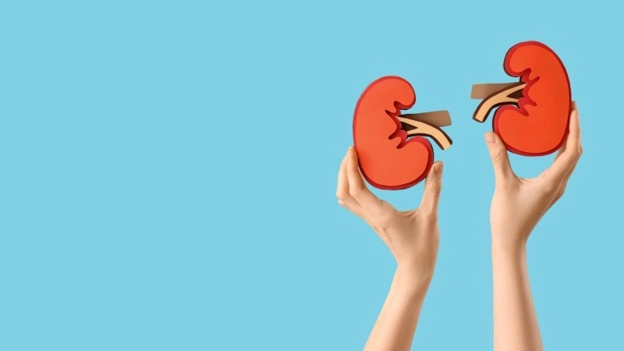
Kidney stones are one of the most common and most painful urological conditions doctors see, and in a hot, humid country like Malaysia, they’re especially prevalent. Here’s a general guide to what kidney stones actually are, how to spot them, and how they’re treated.
Many kidney stones, however, cause no symptoms at all and are picked up only incidentally, during a routine health screening or a scan done for another reason. Malaysia’s hot climate, low fluid intake, and rising rates of obesity and diabetes all help explain why the condition is so common here.
What is a kidney stone?
A kidney stone is a hard mass that forms when crystals, usually made of calcium oxalate, uric acid, or other minerals, clump together and accumulate in the kidney. There are several different types of stones, and the type someone forms often points to what’s driving it, whether that’s diet, dehydration, or an underlying metabolic issue. Less commonly, stones can form from infection (struvite stones) or, rarer still, from a genetic condition (cystine stones). Because different stones have different causes, sending a passed stone for lab analysis is useful — it helps guide how to prevent the next one.
What are the symptoms of kidney stones?
Symptoms are largely the same regardless of sex. The hallmark symptom is severe pain, typically on one side of the abdomen just below the ribs (the flank, where the kidney sits) that can radiate downward.
Importantly, a stone sitting quietly in the kidney often causes no pain at all. Pain tends to appear only once a stone drops into the ureter (the tube connecting kidney to bladder) and causes an obstruction. Where that pain is felt depends on where the stone is lodged:
- Upper ureter (closer to the kidney): pain just below the ribs
- Mid-ureter: pain that radiates down toward the groin, the classic “renal colic” or “loin-to-groin” pain
- Lower ureter: pain plus urinary symptoms, such as a constant urge to urinate without actually being able to, or difficulty telling whether the urge is to urinate or defecate
Nausea and vomiting are also common with obstruction. If a stone has been stuck for a while and goes untreated, it can trigger a urinary infection, causing fever, chills, and a generally unwell feeling. Visible blood in the urine (haematuria) can also occur, though most patients present primarily with severe pain. Unlike ordinary muscular back pain, patients with a kidney stone usually can’t find a comfortable position — they pace, shift, and change position repeatedly, without getting relief.
Because the pain can be so severe and atypical in presentation, it’s sometimes mistaken for a back problem, or, for stones on the right side, appendicitis. Patients often arrive in the emergency department in visible distress and need intravenous painkillers before anything else can be done.

Kidney stones form when crystals clump together and accumulate in the kidney.
Source: Stock image
When does a stone need medical attention?
Most kidney stones are small and pass on their own. As a general rule, the smaller the stone, the higher the odds of spontaneous passage: ureteral stones about 3mm pass without intervention, while stones over about 8–10 mm rarely pass on their own and usually need treatment.
Doctors will want to see a patient with continuous pain or visible blood in the urine. Imaging, typically a plain CT scan, is used to locate and size the stone and to check for obstruction. Modern CT scanners can pick up very small stones, often under a millimetre. Blood tests are also done to check for signs of systemic infection or declining kidney function, both of which are red flags that push doctors toward more urgent intervention rather than a “wait and see” approach.
When is it a medical emergency?
Most kidney stones are painful but not dangerous. However, a blocked kidney together with infection is a true urological emergency. Seek immediate medical attention if you develop:
- Fever or chills
- Severe pain together with vomiting
- Difficulty passing urine
- Having only one functioning kidney
- Being pregnant with a suspected kidney stone
An infected, blocked kidney needs urgent drainage. Delaying treatment can lead to sepsis, permanent kidney damage and, in severe cases, death.
What are the treatment options?
Treatment depends on the stone’s size, location, and whether it’s causing complications:
- Watchful waiting: Small stones found incidentally, especially in the kidney itself, may simply be monitored.
- Shockwave lithotripsy (ESWL): For stones roughly under 1.5–2 cm, sound waves are focused on the stone from outside the body to shatter it into fragments small enough to pass in the urine. It’s a day-care procedure done under light sedation, with no incisions involved.
Minimally invasive procedures (ureteroscopy): For stones that need more direct intervention, urologists pass thin scopes up through the urinary tract under general anaesthetic, then use a laser to break the stone into fragments, which are either flushed out or retrieved with a small basket.
How do you prevent kidney stones?
Treating the stone is only half the job — without preventive steps, roughly one in two patients will develop another stone within five to ten years, so reducing that risk matters just as much.
“Stone disease is so common in Malaysia largely because of our climate,” says Dr Hemanth. “Our weather is hot and humid, which predisposes people to dehydration, and Malaysians spend much of their time in air-conditioned spaces, which dries the body out further, on top of a general tendency not to drink enough fluids.”
“The simplest indicator of whether you’re drinking enough is the colour of your urine,” says Dr Muhilan. “Dark, concentrated urine is a sign you need more fluids. As a target, aim to produce at least two litres of urine a day — for most adults in Malaysia, that generally means around 2.5–3 litres of fluid daily, more during hot weather or exercise.”
Diet matters too. A high-salt diet promotes crystals sticking together and stone formation, so cutting back on salty food, or at least following a salty meal with extra water, helps reduce risk.
For patients who’ve already had a stone, doctors typically send the stone for lab analysis to identify its composition. Someone with a calcium oxalate stone, for example, may be advised to cut back on oxalate-rich foods like soy products, spinach, and nuts (which are usually found salted in Malaysia).
A few other measures also help lower the odds of a repeat stone:
- Maintain a normal calcium intake rather than avoiding dairy completely
- Cut back on excessive animal protein
- Maintain a healthy body weight
- Keep diabetes and gout well controlled

Pain from kidney stones usually appears when a stone drops into the ureter (the tube connecting kidney to bladder) and causes an obstruction.
Source: Stock image
Can you die from a kidney stone?
Dying directly from a kidney stone is very rare as the real danger comes from complications. If a stone obstructs the urinary tract and leads to a severe infection, that infection can spread into the bloodstream (sepsis), which is life-threatening. This is why prompt imaging, diagnosis, and, when needed, intervention, are so important once obstruction is suspected.
A kidney stone is rarely just a one-off painful episode — it can be an early sign of dehydration, a metabolic issue, or another underlying condition. The goal isn’t simply to treat the stone that’s already there, but to lower the odds of the next one forming.
Book an appointment
If you are experiencing symptoms of kidney stones, please don’t hesitate to book an appointment with our Consultant Urologists at Thomson Hospital Kota Damansara.
This article is for general information only and isn’t a substitute for personalised medical advice. Anyone experiencing severe flank pain, fever, or visible blood in the urine should seek medical attention promptly.
